

Maintenance of STP Plant Johor: Reliable Sewerage Treatment System Care
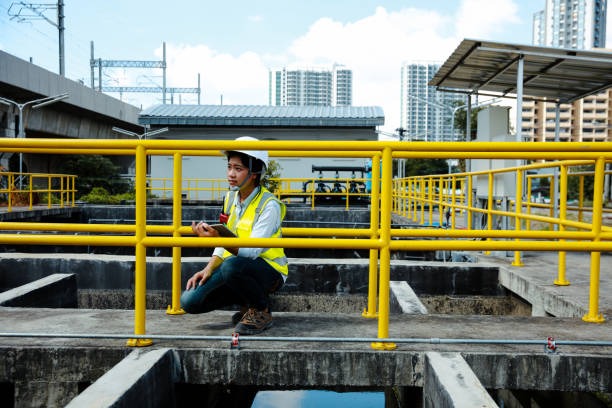
A sewerage treatment plant (STP) plays a vital role in treating wastewater before it is safely discharged into the environment. To ensure continuous and efficient operation, regular maintenance is essential. Maintenance of STP plant Johor helps keep treatment systems functioning effectively by reducing equipment failures, improving treatment performance, and supporting compliance with environmental regulations. A proactive maintenance programme also helps extend the lifespan of critical equipment and minimise unexpected operational disruptions.
Routine servicing is an important part of responsible wastewater management for residential, commercial, and industrial facilities.
What Does STP Plant Maintenance Involve?
STP maintenance consists of scheduled inspections, servicing, cleaning, testing, and monitoring of equipment throughout the treatment process. This may include pumps, blowers, aeration systems, electrical panels, control systems, sludge handling equipment, and other essential plant components.
Facility owners searching for maintenance of STP plant Johor can engage experienced service providers to develop maintenance programmes that match the specific design and operational requirements of their sewerage treatment systems. Regular inspections help detect potential issues before they affect plant performance.
Preventive servicing supports reliable day-to-day operations.
Benefits of Regular STP Maintenance
Routine maintenance helps improve treatment efficiency while reducing the risk of equipment breakdowns and costly emergency repairs. By servicing mechanical and electrical components regularly, operators can maintain consistent wastewater treatment performance and prolong equipment life.
Maintenance of STP plant Johor also enables technicians to identify wear, corrosion, leaks, or performance issues at an early stage. Addressing these problems promptly helps maintain operational reliability and supports compliance with applicable environmental standards.
Maintenance schedules should be tailored to each plant’s capacity, operating conditions, and equipment specifications.
Importance of Preventive Maintenance
Preventive maintenance is essential for maintaining stable treatment plant operations. Scheduled servicing, equipment calibration, cleaning, and performance testing help minimise unexpected downtime while ensuring that the plant continues to operate efficiently.
Maintaining accurate service records and conducting periodic system evaluations also support operational planning and regulatory compliance. A structured maintenance programme contributes to improved reliability and reduced long-term operating costs.
Consistent monitoring helps maximise the effectiveness of the treatment system.
Choosing a Professional Maintenance Provider
When selecting an STP maintenance contractor, consider factors such as technical expertise, industry experience, response time, and familiarity with different sewerage treatment technologies. A qualified provider should conduct comprehensive inspections and recommend maintenance solutions based on the plant’s specific operational requirements.
Partnering with experienced professionals helps ensure reliable plant performance and effective wastewater treatment management.
Conclusion
Maintenance of STP plant Johor is essential for ensuring the efficiency, reliability, and long-term performance of sewerage treatment systems. Through regular preventive maintenance and professional servicing, facility owners can reduce operational risks, improve treatment efficiency, and maintain compliance with environmental requirements while protecting valuable infrastructure.