

Understand septic tank desludging Johor, warning signs, and why timely maintenance helps prevent drainage and sanitation issues.
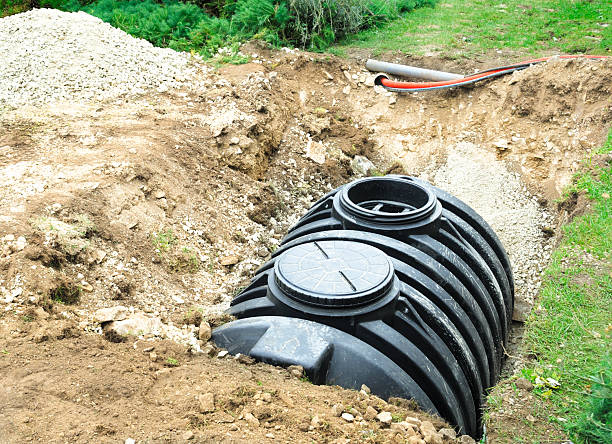
Septic Tank Desludging Johor
Septic tanks are an essential part of wastewater management for many residential, commercial, and industrial properties. When a building is not connected to a central sewer network, the septic system handles the collection. At the same time, it also handles partial treatment of wastewater on-site. Over time, however, solid waste settles at the bottom of the tank and forms sludge. If that sludge is not removed at the right time, the system can become overloaded and less effective.
Regular maintenance helps keep the system working as intended. Septic tank care is not something that should be delayed. A full or poorly maintained tank can create hygiene problems, unpleasant odours, drainage issues, and repair costs.
What Septic Tank Desludging Means
Desludging is the process of removing the sludge and scum that build up inside a septic tank over time. This is usually carried out using specialised vacuum equipment by trained service personnel. The objective is to clear accumulated waste before it starts affecting the system’s normal performance.
For property owners arranging septic tank desludging Johor, the service is part of responsible wastewater management. It supports smoother flow through the tank, reduces the likelihood of blockage, and helps maintain a cleaner environment around the property. Rather than waiting for visible failure, routine desludging allows owners to manage the system more efficiently.
Common Signs A Tank May Need Desludging
Several warning signs may suggest that a septic tank is reaching capacity. One of the most noticeable is slow drainage from sinks, floor traps, and toilets. Wastewater may take longer than usual to clear, especially during periods of heavy use.
Foul odours near the tank area, drains, or surrounding ground can also indicate a problem. In more serious cases, wastewater may begin to back up into toilets or indoor drainage points. Some properties may even show wet patches or pooling water outside near the septic tank location. These symptoms can signal that the tank is under stress and requires inspection.
How Often Maintenance Should Be Scheduled
There is no universal schedule that suits every property. The right desludging interval depends on factors such as tank size, number of users, daily water consumption, and the type of waste entering the system. A household with light use may not need the same servicing frequency as a commercial facility or a building with shared sanitary facilities.
Because of these differences, it is useful to treat septic maintenance as an ongoing responsibility rather than a one-time task. Periodic checks can help determine when cleaning is needed before issues escalate into service disruptions or structural concerns.
Why Preventive Care Matters
Preventive care is often more practical than emergency response. When a septic tank is neglected, the resulting overflow or blockage may interrupt daily operations and require urgent attention. In residential settings, that can affect household comfort and sanitation. In commercial settings, it may disrupt staff, tenants, or visitors.
Routine desludging helps reduce these risks. It also supports better long-term system performance by preventing excessive buildup that can strain the tank and associated drainage lines. For property owners in Johor, proper septic maintenance is a basic but important part of managing safe and functional premises.
A well-maintained septic system is easier to manage, less likely to fail unexpectedly, and better suited to meet the everyday demands placed on it. Timely servicing remains one of the most practical steps in protecting property conditions and maintaining sanitary wastewater disposal.